


Platelet Rich Fibrin
B.Y.O.B.
(Bring Your Own Blood)
-
![]()
INJECTIONS
Discover the magic of this liquid gold serum, specially formulated from your own blood and designed to enhance the beauty of your face and neck in the safest way possible.
-
![]()
BIO-FILLER (ezGEL)
Bio-Filler (ezGEL) with PRF uses your blood to create an all-natural filler designed to restore volume, smooth fine lines, and enhance collagen production.
-
![]()
HAIR RESTORATION
Hair restoration with PRF stimulates dormant hair follicles using your body’s own growth factors, revitalizing hair regrowth and improving scalp health.
-
![]()
MICRONEEDLING
Microneedling with PRF promotes skin rejuvenation by increasing collagen production and tissue regeneration, enhancing skin texture, tone, and firmness.



What is PRF?
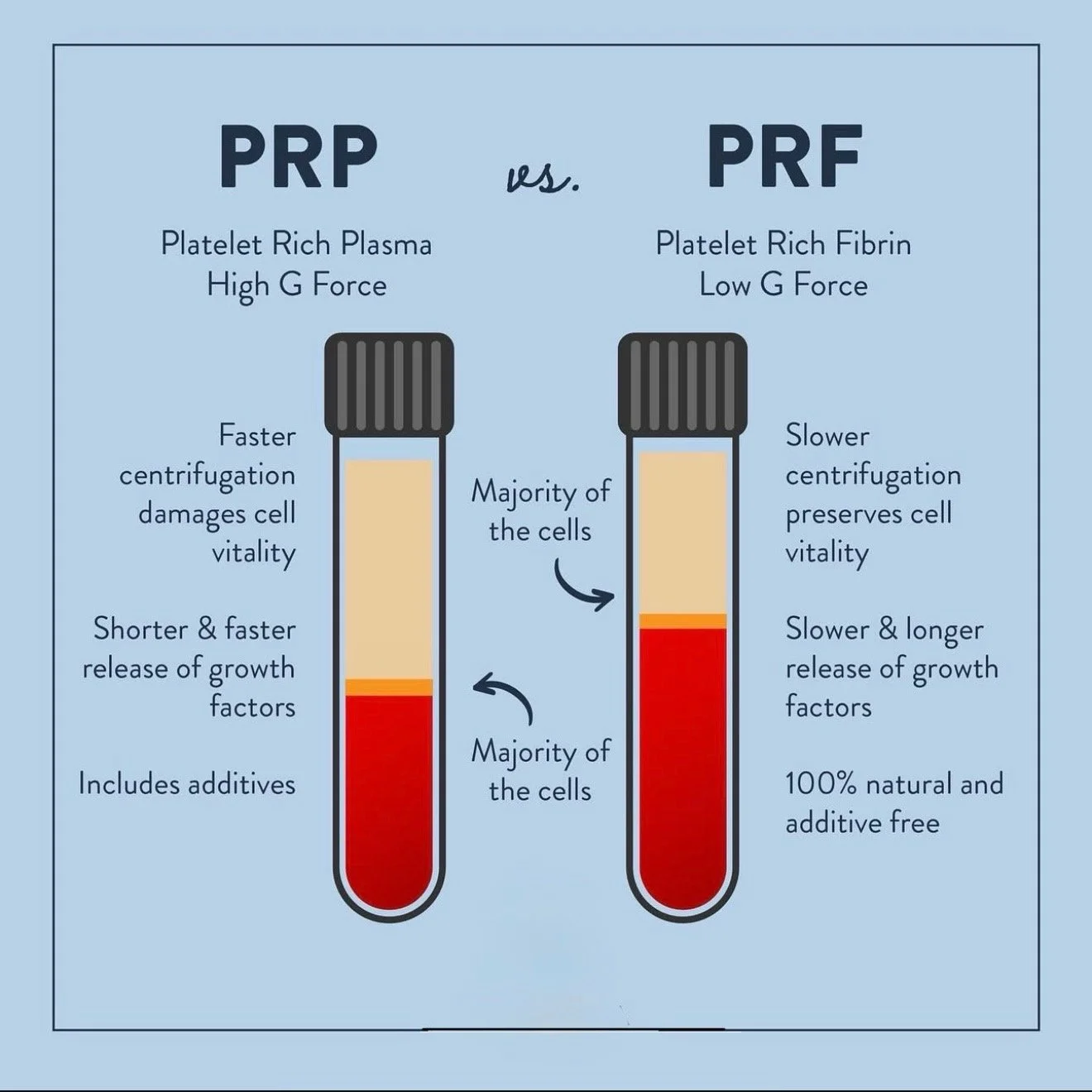
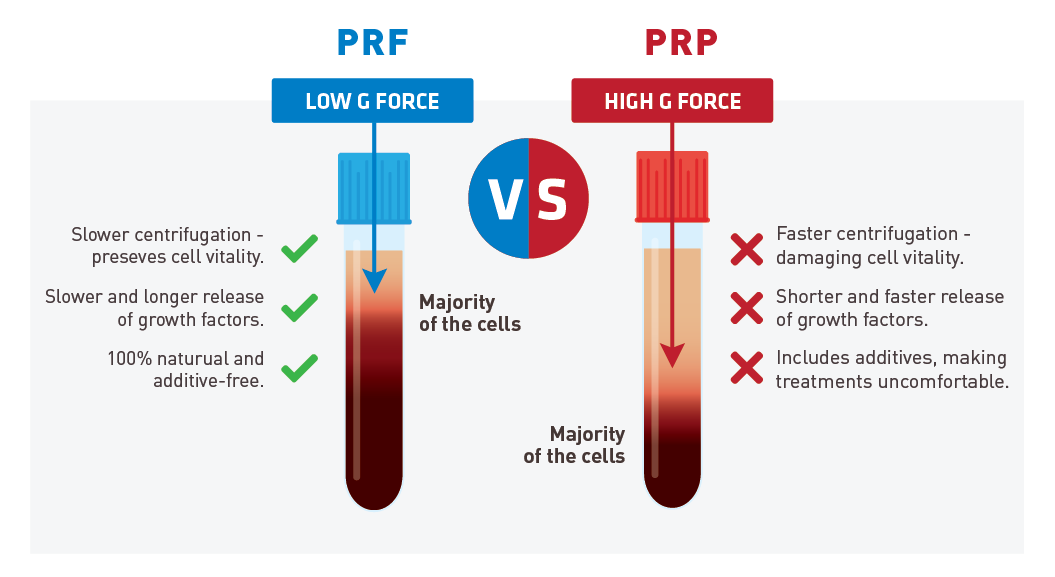
Platelet-Rich Fibrin (PRF) is the most advanced form of autologous blood concentrate available today. PRF is derived from the patient’s own blood and processed using a low-speed centrifugation system, which preserves a higher concentration of platelets, as well as white blood cells, mesenchymal stem cells, and a fibrin matrix. Unlike PRP (Platelet-Rich Plasma), PRF contains no additives or anticoagulants that strip the fibrin matrix which allows for the slow release of growth factors.
How it Works?
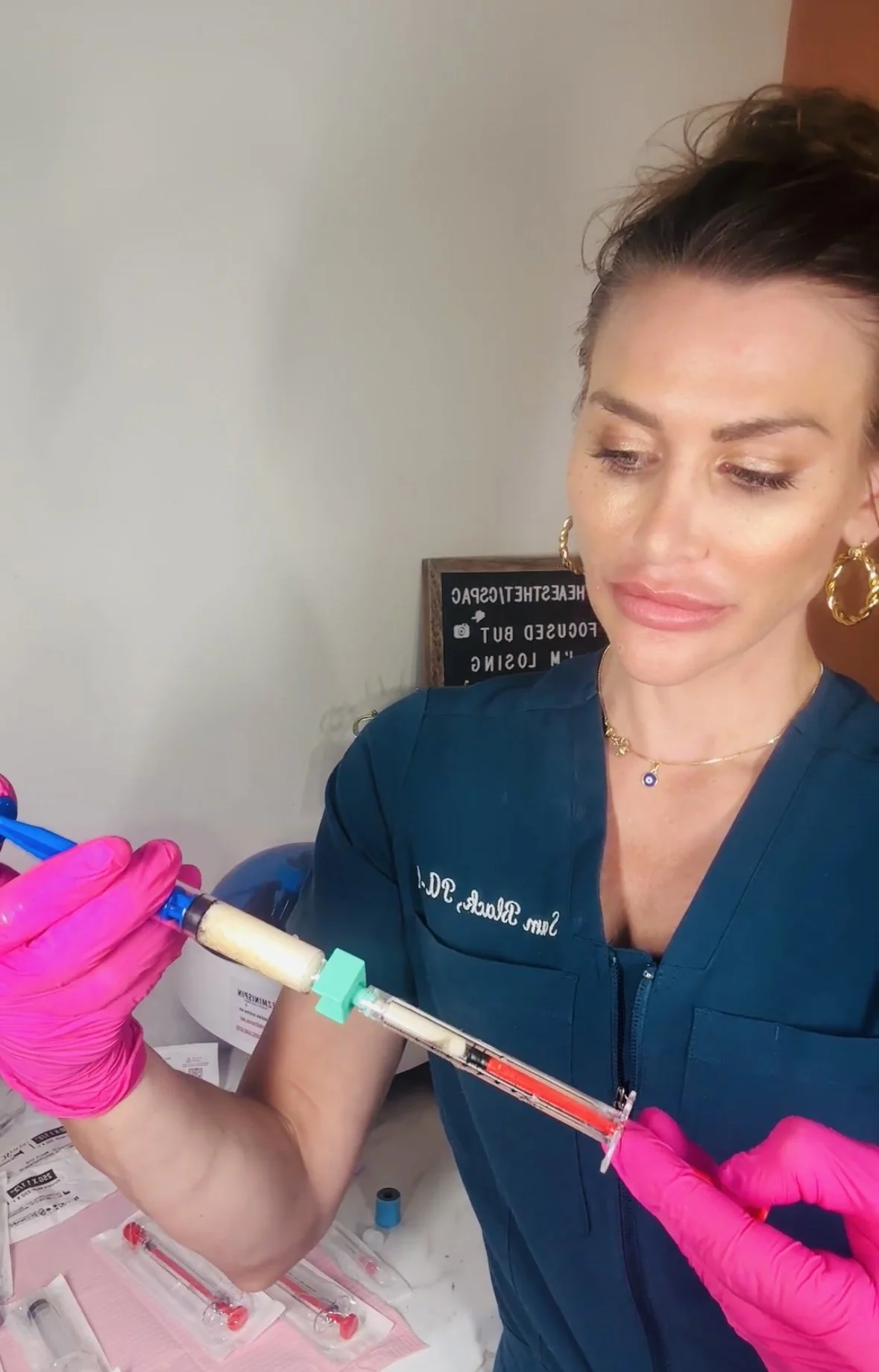
During a PRF treatment session, a small sample of your blood is taken and processed to separate the platelets and fibrin—the essential components responsible for tissue repair and healing support. This concentrated PRF is then skillfully applied or injected into the targeted area, releasing a powerful blend of growth factors and cytokines that jumpstart your body's natural healing mechanisms.
The Platelet-Rich Fibrin (PRF) technique uses the most advanced blood concentrate technology to generate a fibrin matrix rich in platelets, leukocytes, and mesenchymal stem cells. This process results in the constant release of growth factors and interleukins for 10-12 days, accelerating tissue healing and skin regenerating processes.
This 100% autologous rejuvenation technique exhibits substantial progress from the well-established PRP (or Platelet-Rich Plasma) technique, where growth factors are all released only for a few minutes after treatment. PRF is all-natural.
What is the Difference between PRP and PRF?
PRF vs PRP
